Many film logos are very simplistic yet bold. For example Jurassic Park has a three tone colour scheme however still works effectively. The red makes the logo stand out whereas the black makes the dinosaur appear as a shadow but, also makes the dinosaur appear more vividly due to the contrast in colour.
Due to this for our film logo we went for a very simplistic design which would work well but look effective. The red of the clown nose makes the logo appear as bold and the film name has been incorporated into the logo design in order to make it look like the teeth of the clown. This logo was created using Adobe Photoshop and the font which was selected for the film title was selected as it has a style which could be associated with Circus' as well as being bold.
Many of the major film instituion logos use the background of the sky as this can be easily adapted in order to fit different genres of film. For example, in the horror genre the clouds can be darkened so that the logo is given a more eerie tone. Futhermore the font is the boldest aspect of the logo design as this means that they can easily be read when they appear on screen.
For our logo in order to make it fit the horror genre we made the insitutions names drip with blood to link to the iconography of blood and horror films. Also the insitution logo is dark as this means that it is more mysterious due to the colours black and dark blue being associated with mystery and the unknown. This logo was created using Adobe photoshop and the components of the bird and the moon have been added to a background of clouds that have been edited in order to make them appear darker.
Mise en scene:
‘Hush’ uses mise en scene in a creative way as it uses a dark colour scheme in order to connote certain feelings from the director to the audience (the director has coded the film with a certain message which the audience has to deconstruct and realise). In the film ‘Hush’ the use of the door ways which are very dark are a good use as symbolism of suspense and mystery as, the colour black is known for its connotations of mystery and the unknown and also helps to symbolise that it is night time- meeting a common convention for horror films, that they are set in the night. For the audience the dark doorways make the film even more scary as we are unable to see what is inside the room and therefore the antagonist may be lurking in the room waiting for the protagonist, which leaves the audience on edge.
Also, as the house that the film is set in is located in the woods the film immediately becomes even more frightening due to the audience already being able to highlight that the protagonist is far from any sort of civilisation thus meaning that they will not be able to gain help easily. This is shown as the woman’s wifi has been cut off by the antagonist whom knows that by doing this the protagonist is not able to gather help or attention quickly. For an audience this heightens the terror within the film as we are left feeling that the protagonist is becoming even more vulnerable to the action taking place outside. Also where the house is covered with glass windows and doors the film gains another layer for it being scary as the audience know that the antagonist is in control of the situation as they could decide (at any point) when they want to break in by smashing through the glass.
Camerawork and movement:
In the film close up reaction shots are used well in order to build tension and horror as they are used in an effective way which clearly highlights that something major is about to happen and gets the audience anticipating what is going to happen in the film. This is key in ‘Hush’ when the woman reads the texts (which contain pictures of herself inside her home) from an anonymous person. Without the use of the reaction shots we would not be able to gather a sense of emotion from the protagonist as we would not see their reaction properly.
Another camera work technique which is used to good effect is the tracking shot of Maddie- the protagonist- running from door to door in order to lock them so that she is able to feel safe in her own home. The tracking shot allows us to see both the character and her surroundings so we can gather potential weak points in her home which could be breached by the antagonist and keeps us anticipating what will happen next. Also the use of the tracking shot makes the film appear more smooth and fluid and therefore it appears as a much more professional film.
Sound:
One technique which is interestingly used is the use of silence in the film in order to build anticipation. Without the dramatic silence the film would lack character as it would have no suspense and no places to start the soundtrack for a specific reason. The silence which is incorporated in the film makes the narrative more scary due to the audience being left in anticipation of something smashing, breaking etc. Also, sometimes the silence was used effectively as the female protagonist was death and therefore when it cut to shots of the woman or P.O.V. shots the sound would be completely gone as to make us feel like we are in the woman’s shoes.
Furthermore, when sound is used it either quickly goes off or glitches when something important happens in the film. For example, when the protagonist, Maddie, sees the antagonist for the first time the music glitches as this symbolises the importance of this part of the narrative and suggests to the audience that they need to pay attention. Another example from the film is when, the music quickly turns off when the antagonist cuts the wifi of the house off and this is used as, as an audience we come to a realisation that this leaves the woman with no hope of gaining help as she is already in the middle of the forest, where civilisation is out of sight ; now she is unable to call anybody for help either. Without these subtle hints the film would be very flat and would lack any hints from the director at what parts were important and which parts were not.
Editing:
The editing in Hush builds tension and panic throughout as it is very fast paced and frantic which establishes a clear sense of panic as it is a film which is from the viewpoint of the protagonist who is unaware of what is actually going to happen. If the film was from the antagonist’s perspective then the editing would be a lot slower as they know that they are in control of the situation and are less stressed than the protagonist. The editing becomes more frantic when the woman is running around home in order to lock all of the doors (a typical situation in horror films as it makes the character feel more safe in their own home) which shows the viewer that the protagonist is panicking and making simple decisions which they think will help to save them.
Finally, the film uses constant cuts back and forth between the antagonist and protagonist means that the audience is always drawn to the fact the two characters are now increasingly involved in each other's life. The cuts between one another, highlight that the characters are in a constant battle between one another as they show that they are in close proximity and that one of them will end up getting what they are wishing for. This means that the audience is left feeling like they need to take a side of a character and then build a relationship with them- which predominantly leads to them feeling the same way that the character on screen does.
Camerawork-
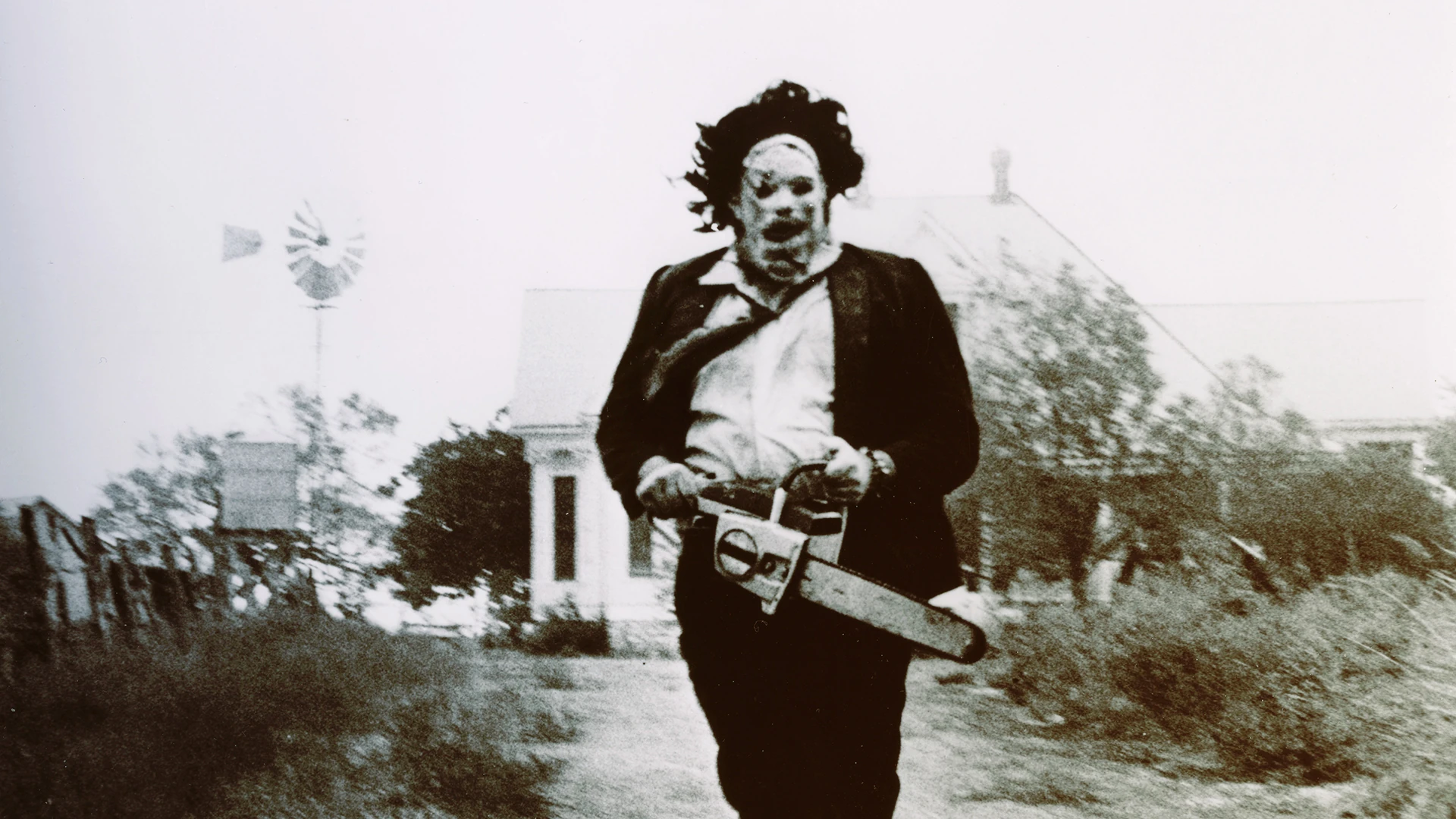
In the opening sequence of 'Texas Chainsaw Massacre' a close up shot is used in the title sequence/prologue which shows the evidence found highlights the importance that it has in the film as it shows the audience that when they see these pieces of evidence in the film later on they should expect something to happen, this therefore makes them anxious as they are watching the film in anticipation. This means that the audience is immediately looking out for these props in the film as it is a code put into the film deliberately by the director so that they can become an active audience who have to work specific parts of the film out for themselves.
Another shot which is used in a similar way to the close up is the long shot as the director and cameraman highlight the house that the crime takes place in which once again makes the audience look out for it and is thus leaving them anticipating that something is going to happen in the house when they get there. The effect on the audience that this has is that they are left terrified from the first minute of the film as they are always looking out for these aspects of the film as they know that something is going to take place when these props and locations appear on screen.
Editing-
The use of the old news footage which has been added in during the post production stages of the film add the suspense of the film as it makes the realism of the film bigger as the director is clearly portraying that the events that are about to take place on the screen are based on a true story, this means that the audience is left feeling like this could happen to them as it is all realistic- rather than some horror films that focus on the supernatural which the audience cannot envisage themselves in and therefore it makes them less scared about the narrative of the film.
Also, the vignette filter which is added to the opening titles makes the film look older and appear more scary due to this effect. This filter works well as the vintage effect makes the film appear as archive footage which has been recovered so that they can research what happened in during the crime. This makes the narrative of the film more scary because, this makes it appear that the crime cannot be worked out properly which makes the audience feel like it could happen any time- that a crime could take place which would never be worked out and this makes them more apprehensive when watching the film as they are wondering what could happen to them.
Mise-en-scene:
The laboratory where the evidence is left in is good for creating an eerie tone in the film as a laboratory is stereotypically linked with research into crimes or research into dead bodies. This therefore is helpful in making the film scary as the associations are already made in the audience's head and they begin to think about the real life situation that takes place every day in reality, as well as what is going to happen in the films narrative.
The house where the camera focused on in the opening sequence was very dark and black as it had burnt down. This meant that it was giving off two different feelings. The first was one of mystery as the colour black has clear connotations of mystery and the unknown. This also looks to the reasoning behind why it was burnt as it builds the mystery around the film as the audience is sitting wondering why it has been burnt. Also the burnt house signifies that there will be a fire (which is a common fear) and therefore if people are scared of fire then they will be tense when watching the film.
Sound:
The main use of sound that you notice from 'Texas Chainsaw Massacre' is the use of the news report which once again adds to the realism of the situation. This worked well in the film as it gave background information as well as adding to the tension as people are once again envisioning it as a real situation. Also due to the scenario being on the news it makes the event seem important and therefore the audience are viewing expecting something big to happen during the film.
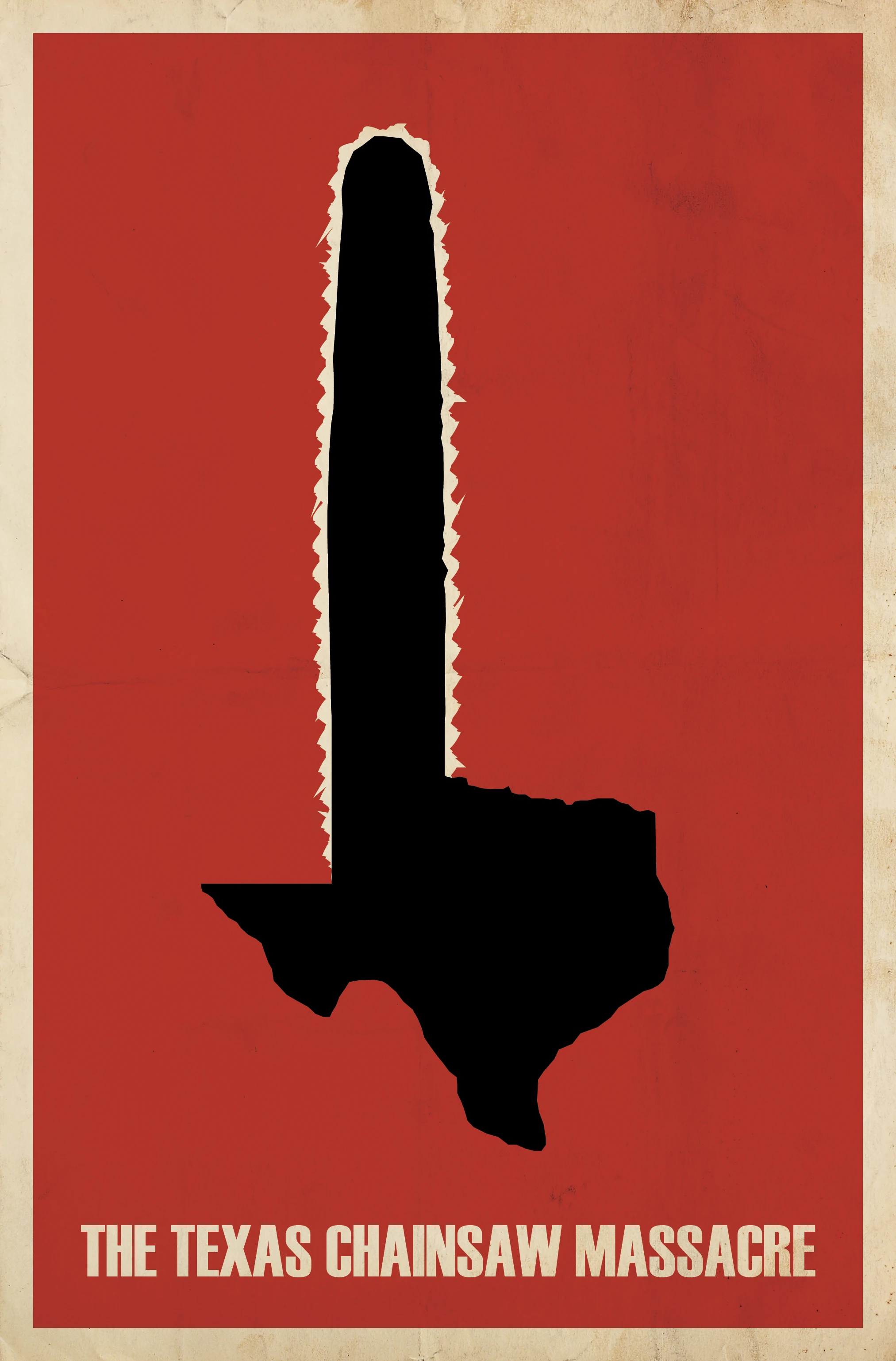
Another use of sound in the film is the use of the crash and the echo when the chainsaw is placed on the evidence table. This is important int the film as it highlights that the chainsaw has a major significance in the film as the sound is used to portray to the audience that the need to pay attention to this prop as it is a main piece of iconography for the antagonist. Therefore,when they see the chainsaw they should expect to see the antagonist and expect something to take place which will potentially scare them.
Mise-en-scene:
One way in which ‘The Purge Anarchy’ uses mise-en-scene well in order to show the horror genre is through the incorporation of the newsreport on the T.V. in the cafe where the opening scene takes place. This works well in the film as it helps to establish the narrative as we are fed key information in a creative way. Without the use of the newsreport we would not know what the annual Purge actually was and when it started, therefore as an audience we wouldn’t feel scared as we would think that everything was normal.
Also the cafe helps to establish this sense of normality as it is generally a place where people gather to have a good time in America. If the opening scene was set in a warehouse surrounded by dead bodies then we would know straight away that the film would include death thus meaning that this is a good component of ‘’The Purge’ as we are left wondering what is going to happen to the innocent people. Also the cafe has an American flag out front of it and this means that we know that film is set in America and already begin to think of typical stereotypes of American people such as: them being disrespectful of authority, boastful, arrogant etc. This means that as an audience we already begin to create a sense of characteristics in our heads.
Camerawork:
A close up shot is used in the opening scene of the money in the film and Eva putting the money into her pocket. A close up shot is used to show that something has significance in a film traditionally which may mean that due to the Purge Eva will take the money and use it in order to protect herself or ‘break’ the law. This may have been done in the sequence of Todorov's theory as this is the first sign of breaking the equilibrium as Eva may steal the money which could help to symbolise her as somebody who may partake in the Purge later on in the film. This means that as an audience we are left wondering what will happen to Eva as the film progresses creating a lot of suspense amongst the viewers as we want to establish a relationship with the characters on screen.
When the camera is focusing on the T.V. screen showing the newsreport, we can see that the camera is slanted. When a camera is slanted in a horror film this usually suggests that what is on screen has significance but for not for a good reason. This links to how this is used in ‘The Purge’ as the newsreport is highlighting the main aspect of the film however, this is not good as the Purge means “a 12-hour period when any crime is allowed including murder.” which evidently isn’t something that is normal or good in reality. As an audience we react to this as we notice that the screen is tilted and start to wonder why, as we listen in then we are able to clearly notice why this has been done and begin to think of all the counter-cultural aspects of life that we would do if we were in ‘The Purge’ and become thrilled by the prospect of seeing some of this thoughts come alive on screen.
Sound:
The common theme throughout all of the micro-elements in this film is the use of the newsreport which once again links to the sound as in the film the newsreport is slightly faded and distorted in order to make us feel like we are part of the film and actually listening to the newsreport. This is an interesting technique used by Blumhouse productions as instead of making the audience become passive they are made to feel like they are included in the plot and therefore the audience become more scared as they are building a relationship with the characters as well as feeling they are part of ‘The Purge’.
The music used in background of the film also helps to build an atmospheric tone which is both full of suspense and makes the film creepy. The music which is used is very slow and dark and is used very faintly in the background. This helps to build tension as the sound is not overwhelming and can be barely be noticed but, sub consciously the music is helping to build the tension without us even knowing. The music only becomes louder and more heightened when the director wants the viewer to gather the information they are given or something majorly important is happening on screen. An example of this is when the logo for the film appears and the music becomes louder as the film logo reveals a lot about the film in a very subtle way.
Editing:
In post production the credits were added to the film in a cool and creative way. The credits are very significant in this film as they give a background of the film and help to establish what the film will be based on. Without the use of the credits the audience would be left wondering in the dark as they wouldn’t understand any of the context of the film. The credits come down in a drop box fashion which creates an effect associated with the American Government which (which is ironic as the whole film is about going against the American Government) and therefore the danger is highlighted right from the very start in a creative way.
Furthermore, the credits are over layed onto a dark blue background during post production. The connotations of dark blue are mystery and misery and therefore the audience become gloomy and scared at what may eventually appear on screen as they are just seeing a dark blue background with credits rather than laying them over any shots in the film. This works well as the opening scene of the Purge is very significant for the rest of the film and if the audience’s attention was drawn away from the film then we would not fully understand the film going forward.
Recent events involving clowns has spread from the U.S. across to the U.K. Due to recent events we have had to change our narrative which has hindered us slightly, but also helped to improve our narrative.
The clown craze has took off leading to an influx of people dressing as clowns in order to scare residents of different towns. Some people believe that the craze was influenced by the remake of the film 'It' featuring Pennywise the clown. However, the instiution responsible for the film have claimed that this was not a marketing technique and they have nothing to do with the craze.
This craze has helped our plot as we can now include real life videos of clowns scaring the public which can be used to identify the main antagonist of our story. This will also lead to more potential sales as people will come to watch the film due to the craze around clowns and the aspect of our brains that likes counter cultural experiences as we are getting a thrill out of something we know we shouldn't.
The Metropolitan police has warned U.K. residents that the amount of people dressing as clowns in order to scare the public will increase in the build up to Halloween and that the people dressing as the clowns in order to scare the public are committing an offence. Dressing as clowns and threatening the public is a criminal offence therefore in order to avoid this potential mistake the group decided that we would film in a house.
Stuart Hall- Encoding and decoding:
Stuart Hall believes that many media texts are made and encoded with a message. The message is made by the institution based on the social, political and economical society they are made in. He believes that when the audience receives the text they decode it. The message can be decoded in 3 ways: Dominant reading- interpreted how the institution wanted.
Negotiated reading- the audience agrees with some parts of text, but disagree with other parts.
Oppositional reading- the audience don't agree with the text and find themselves in conflict with it.
Uses and gratification theory-
The theory created by Blumer and Katz that believes that the audience is active and they use the text rather than the text use the audience. The audience wants to gain a certain pleasure from the text so decide to watch it in order to fulfil this pleasure.
Some of the pleasures and gratifications can include: escapism, diversion, information, counter cultural experience and comparing.
We will use these audience theories in our film as we can encode our film with the message of the clown and why the clown is attacking these specific people. This means that the audience will have to try and discover why the clown is targeting these people whilst the film goes on thus meaning that the audience are not passive as they have to engage with the film. Also we would like people to gain a counter cultural experience from our film as they will be able to gain a thrill from seeing aspects of life such as crimes that they are not allowed to commit.
From the YouGov profiles I noticed that many of the films which were from the horror genre and had some similarities from the narrative had a mixed gender audience which meant that horror films could target both the male and female audience. Also the age group it predominantly attracted the most was the 18-25 age bracket and therefore we would need to target the older audience in our age bracket of the 15-18 year old's as this is the age group that we would attract the most from. Furthermore, the people who liked to watch the horror films were spending a lot of time online which once again means that if they liked the film they could talk about it online and then we would be creating publicity for our film. Finally, as we would be distributing our film in the cinema rather than online I researched the demographic of people who went to 'Vue' and once again found it was predominantly the 18-24 year old's who went to 'Vue' and this once again highlights that we would need to target the older side of our target audience.
Effects theory-
For the effects theory to work the audience has to be passive, they must take all meanings of the text literally. The effects theory usually has a negative effect on as the audience do not have the power to stop themselves believing the text. This means that the power lies within the text.
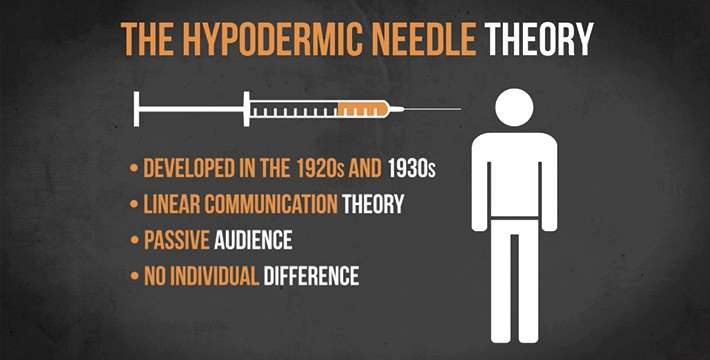
Hypodermic needle-
The hypodermic needle theory suggests that the audience is injected with information from the text that they believe. The media's message is like a drug to them.
We do not intend to use this in our film as we do not want our audience to be passive as we have set out the film with the aim of encoding it with hidden messages which they have to decode therefore we want them to be an active audience.
During the opening sequence of Scream the mise en scene plays an integral part in making the scene as scary as possible. Due to the house being located in a forest in the middle of nowhere the action becomes more frightening as we already know that the woman has no form of help and is away from any sort of civilisation.In the film this is highlighted by the man on the phone telling Drew Barrymore not to phone the police as they will not be able to help. This conforms to traditional stereotypes as in horror films people are not usually able to find help and also links to the traditional stereotype that women are home-oriented as she is at the house alone in order to make sure everything is okay. This means that the audience is left scared for her safety and know that if anything is to happen to her she will not have anybody to defend her.
The time of the day also helps to magnify the danger that the woman is in as the night time is associated with mystery and death. Most horror films take place during the night as this is a prime time for when crimes happen. If the film was shot during the day the film would become less scary as the light is associated with safety. For example when the woman turns on the patio light to check everything is okay the light highlights that everything is safe. This means that the audience is left worrying due to the lighting outside of the house which means that anything could pop out of the dark at any moment. This links to the representation of women in horror films as she fits the typical stereotype that they are always seeking assurances and very desirous of security so will do whatever they are able to in order to make sure they are okay- this is further highlighted by her running around locking all of the doors in the house when the man begins to threaten her. Also women typically wear light coloured clothing (which Drew Barrymore conforms to) as she appears to look like a babysitter in the film. This is done as the woman talks about her favourite horror film which is about a babysitter who is killed, thus making the film very ironic. Editing- The editing of the film establishes continuity editing through the use of long take editing as one long continuous shot is edited together with a few point of view shots,long shots and close up shots. The camera follows the woman around her house which could be used by the director in order to imply that we are the man watching the woman move around her house.An example of this is when the woman moves from her kitchen to the living room and the camera uses a tracking shot in order to follow her around the house. This means that we are able to see things from the male antagonists perspective. This makes the film appear more creepy to the audience as we are looking at her through the antagonists perspective (linking to Laura Mulvey’s male gaze theory) and means that we get into the mindset of the killer.This links to gender stereotypes as we are led to believe that men watch women as an object rather than a human and therefore believe we can treat them as we wish.
Furthermore, through the use of the eye match shot we are able to realise the phone is an important part of the action as we can see where the woman is looking before we actually know what it is she is looking at. This means that because the phone is highlighted in the film the viewer begins to make links in their heads about why this prop is so important- which we eventually find out is due to the man talking and making threats through the phone. In addition, a shot-reverse-shot is used in a similar way to the eye match shot as it means that a certain part of the film is highlighted. During the film a shot-reverse-shot is used which shows Drew Barrymore looking through the window of her house in order to check if there is anything outside the house. This means that the audience is able to identify what she is looking at and also the reaction of her face, as we can see that she is agitated about the events happening. This refers to gender stereotypes in the film because the woman starts to become very emotional and indecisive as the male antagonist has influenced her decisions due to the aggressive tone that he has in his voice. Camerawork-
A lot of the camera shots which include the inside of the house and a window or door looking outside are shot in shallow focus in order to make the outside seem blurry and even more mysterious. For example, when Drew Barrymore is on the phone the shot is slightly tilted, which is also done in order to show that some things in the narrative are not correct and we get our disruption of equilibrium, plus the window looking to the outside is out of focus. This means that the audience is never fully able to see what is outside which means that we are always expecting something to jump up at the window. This means that the action in the film is more scary as we always apprehensive about what is going to happen next. This links to gender stereotypes as the woman is always on the right of the frame and the window or door is usually to the left of the frame and takes up more the frame. This suggests that the woman is powerless as the framework makes her appear weak and inferior to the outside world- which links to the stereotype that the world works in patriarchy. The close up shot which is used in the film to focus on the popcorn and make it the superior object in the frame is also intentionally used by the director in order to convey subliminal messaging within the film. As the camera is close up to the popcorn being cooked in the film we are able to see it expanding as the popcorn is being cooked and getting hotter. This was done by the director as it creates suspense in the audience, but also shows the tension building between the two characters in the film and shows that the action is about to explode into life. The popcorn is also used to symbolise the woman's feelings as the plot unravels as what the man is saying on the phone is hurting her emotionally thus meaning that she is easily manipulated by the males as she is now doing whatever he asks in order to stay safe. Sound- Linking to the close up shot of the popcorn the diegetic sound of the popcorn can be heard in the background at times. This also shows that the tension is building as the sound gradually becomes louder. The sound has been enhanced so that the audience can hear it better and it plays a clear role of building suspense in the audience watching the film. Also, the diegetic sound of the muffled voice on the phone is an important part of the film as without this person the film would have no substance to work with. The muffled voice is the main antagonist and also due to it being muffled makes the mystery of the character even more evident as we can tell that he is not in the house with her yet. This means that the character is never actually revealed in the opening scene and leaves the audience in suspense as we do not know what to expect of the character in the main part of the film. The dialogue drives the narrative as the male antagonist is shown to take control of the female protagonist. This shows that the director believes in the gender stereotype that men are superior to women as he is dictating what she does. An example of this is when the antagonist asks the female protagonist to answer a question in order to save her boyfriend, which she does immediately. This leads the audience to believe that the woman is scared of the male and the male does not care about the feelings of others.
Mise en scene:
Just like many typical horror films, 'Halloween' is set in the night time to add suspense due to the stereotypical mystery that surrounds the night time. As Mike Myers is approaching the house we can clearly see that it is dark outside and begin to think this is due to him wanting to lurk in the shadows due to him not wanting to get caught whilst doing what he is about to do. This is also highlighted by the antagonist circling the house and looking through the windows all whilst trying not to be seen. The setting of the time of day makes the film scarier as it is also Halloween and this is a day is a stereotype of killing and terrorising. This means that the audience do not believe that it will be a one off event due to Halloween taking place more than once.
Additionally, the mise en scene used when Mike Myers is walking up stairs into the darkness- when the outside of the house is a bright white- highlights the danger which the woman is in as her husband has just gone to the outside- where white connotes safety and purity- whilst she is left in the dark- which portrays mystery and even death. This magnifies the fact that the woman is in danger- which conforms to the traditional stereotype that woman are in danger, more so than the male. This use of mise en scene makes the audience believe that the aggressive act towards the woman will take place upstairs in the house rather than anywhere else as it is the darkest area of the scene.
Camerawork:
The handheld camera shots whilst the credits are on the screen which slowly zooms in on the pumpkin. This is to emphasise that the film is based around Halloween in order to make the link between horror films and a time dedicated to horror. This makes the film appear scary as the audience begin to think about other Halloween stories they have heard and begin to remember the effects they had before and are beginning to get tense.
Furthermore, the point of view shot/handheld shot which is used at the very start of the opening scene whilst walking up to the door makes the film appear more realistic and makes the audience feel like they are in the antagonists position of stalking the house which creeps them out as they feel uncomfortable in this position. Without putting in the point of view shot the identity of the antagonist would have also been revealed too early which is a main component of building suspense in the opening. This means that it is intentionally done in order to build suspense.
Editing:
In the opening credits of the film the writing which tells the audience who the film is directed by etc. changes colour in order to look like the flame inside the pumpkin which flickers. This also connotes a sense of death and pain as the main colour used is red which connotes death and blood. Also the theme of fire shows rising tension due to the heat of the action rising. In the film the bright colours contrast with the dark background which shows the juxtaposing personalities of the protagonist and antagonist.
In addition, the one long continuous shot which is used throughout the opening helps to keep the narrative flowing and show everything from the scene without jumping around. The continuous editing also shows everything through the antagonists eyes and the perspective he had of the film and the harsh killing of the girl in the scene. This means that the action is all building up with the thoughts of the antagonist rather than anyone else, this therefore makes the audience apprehensive to watch the action from their eyes.
Sound:
When Mike Myers is outside the house you can faintly hear the voices of the people outside in order to show that he is stalking the people inside and knows their every move. This is highlighting that the whole reason the man is outside is to get inside the house and this is whole motive in order to do so. Furthermore, once the man gets inside the house a soundtrack begins which is very high pitched and slow which shows the tension building in the film as the stalker has got into the house and is getting close to his ultimate goal. This has a certain effect on the audience as they are left scared for the protagonist as they know that they are helpless and the tension in the film is evidently building and therefore something is going to happen to them.
In addition, before any shots from the film are actually shown behind the overlay of the background to the date of the story you can hear little kids talking and singing to traditional songs of the Halloween period. This adds a scary effect to film- and is a traditional theme from many classic horrors- as children are usually viewed as the evil characters in films and their voices create an eerie effect amongst the audience as they are deemed innocent, however are ultimately not.
Scream- A four part horror film series which has grossed $600 million + at the box office made by 'Miramax' the same company we are distributing our film with. The series spans from its first film in 1996 until its latest film in 2011. Scream is the sixth highest horror grossing franchise in the world of which the first film being the most succesful of all. Scream, was first released on the 20th of December 1996 and stayed in cinemas for 8 months and was one of the biggest suprises in the film industry in its respective years. During its release the film was in competiton with 'Jerry Maguire' and 'Mars attacks'. When Scream 2 was released some big name films moved the release dates of their films (such as 'James Bonds- Tomorrow Never Dies' and 'Titanic') in order to stop potential competition from one of the potential box office hits. Scream 2 broke box office records for the money the film made during December 1997 and held the record for 3 years until December 2000. When Scream was released for home media-only in
America- they first came out on VHS on December 2nd 1997 and came out a day later on D.V.D. This was evidently done in order to create a large brand and get as many sales as possible as people could purchase the VHS copies if they did not currently have a D.V.D player. The distributors of the Scream franchise D.V.D's (Buena Vista Home Enterainment) had a tendency of releasing a collectors edition of the film a year after the original copy. This edition included deleted scenes, bloopers etc. The European and Asian editions of the film were finally released on D.V.D on February 26th 2001. In 2011 the blu-ray copies of the films were distributed by Lionsgate Home Entertainment, which created even more sales for the already ever succesful franchise and was done a few weeks prior to the release of Scream 4 in order to create a good marketing campaign around the film.
Psychographic: Study of people based on their personality, values, attitudes and opinions, interests and lifestyle.
Demographic: splitting up and profiling people based on their physical features.
Demographic ideas: As a group we decided to make our target audience 15-18 based on demographic research. We decided on this age bracket as it means that we are able to create a film with an age rating of 15 which can attract the teenagers who have nothing else to do on their weekends.As well as this, we knew that 15s can be viewed by anyone older than this as well so film enthusiasts of an older age could be targeted as well. Furthermore, by setting out this age bracket it means that our film doesn't have to have as much gore and blood and therefore we can focus on other elements of the horror film in order to create a better quality film. We also decided that we would target our film towards both genders as this would create a larger market for our film to be distributed to. If we decided to distribute our film on Netflix after cinema release this would also mean that the teenagers who spend their time watching Netflix could be targeted due to the 15 age rating.
Psychographic: Our psychographic for our film was people who are interested in horror films and whom seek thrills and enjoy the feeling of watching the films. We decided that if we targeted people who enjoy counter-cultural experiences we would be able to attract more viewers as they are enjoying the actions which they know they shouldn't and can't do.
During the opening titles of the film Silent Hall the screen never comes out of the black and white tone. This is done so that the opening titles are given an antique look which makes the the film become scarier as we are sometimes unable to see everything in the shot and we relate old antique objects with being haunted.
In the first ten seconds of the titles the camera pans round slowly revealing a moving spotlight- this could portray that during the film a search could take place. The mise-en-scene of the opening works well as the floor is cracked and the wallpaper has been partially torn off of the walls. The pictures on the wall also creates a good effect as we are able to see that they are covered by an unknown substance, which is due to the black and white effect of the film.
The camera is always shaking throughout the opening which makes the viewer feel like they are scared. This is because it is a point of view shot which means the audience is in the shoes of the character.
The font used is also cleverly picked as it looks like a child's hand writing. This creates a sense of lost innocence. However I believe that if the colouring of the font was red it would have worked better as this is a common colour associated with horror films because of the connotations of death and blood.This leads me to believe that for my film the best font would be bold and red as the audience can easily identify it as a horror film.




%2520scream%2520the%2520series.jpg%3Fitok%3D&container=blogger&gadget=a&rewriteMime=image%2F*)


720.jpg)